
Hey there! If you’re home educating (or thinking about it) in England, you’ll often hear the term local authority, sometimes shortened to LA. It can sound a bit official, but it’s worth understanding what it actually means in everyday terms.
Understanding Local Authorities in Home Education
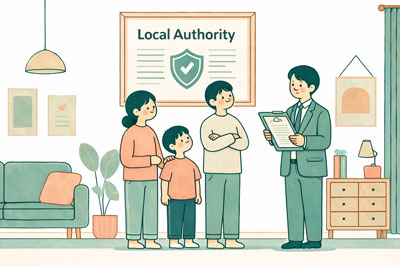
A local authority is your local council, the organisation responsible for services in your area, including education. In the context of home education, the local authority is the body that may contact you to ask about your child’s education.
In England, the legal duty to educate your child sits with you as the parent, not the local authority. However, councils do have responsibilities around children who might not be receiving a suitable education.
- They can make enquiries: if it appears a child may not be receiving a suitable education.
- They may ask for information: about how you are educating your child.
- They can take formal steps: such as starting the School Attendance Order (SAO) process if concerns are not resolved.
For many home educating families, contact with the local authority is minimal or straightforward. But experiences can vary, as different councils may take slightly different approaches in practice.
It’s helpful to keep in mind that local authorities are not there to approve home education in general, home education is already lawful. Their role is to act if they believe a child may not be receiving a suitable education.
If you want to understand the legal framework behind this, our guide to Home Education Law in the UK / England explains it in more detail. You can also read about how things may evolve in our guide to the Children’s Wellbeing and Schools Bill.
So, in short: a local authority is your local council. In home education, their role is not to approve your choice, but to act if they believe a child may not be receiving a suitable education.
What does Local Authority mean to you?
If you have got something to add to our Local Authority page, please do let us know.